


Ten Critical Priorities for Turkish Civil Society Participating in the COP31 Process

Updated: May 16
COP31 may offer a critical milestone for Turkish civil society to become more visible and influential in global climate governance. The way it can achieve this is for civil society organizations to adopt a strategic, coordinated and multi-layered approach if it actually wants this.
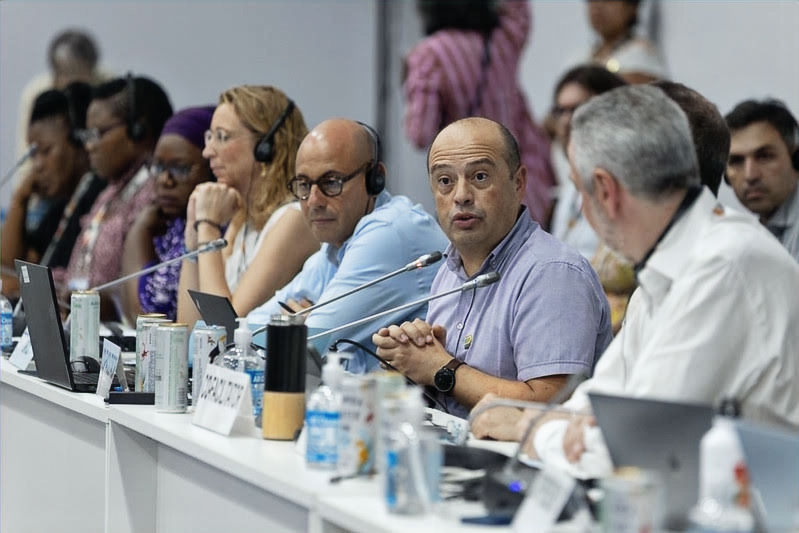
Key priority areas for preparation and engagement of civil society organizations in the lead-up to COP31 are outlined below, drawing on a webinar held with the participation of rights-based civil society organizations in March 2026.
1. Coordination Between Türkiye and Australia Processes
As the host country, Türkiye’s coordination with Australia is expected to play a significant role in shaping negotiation dynamics and could actually determine the direction of the process. This also presents important opportunities for civil society. While civil society actors in Türkiye can enhance their advocacy and visibility in both the Blue and Green Zones, collaborations with Australia through European, Mediterranean and Pacific networks can further expand their sphere of influence.
2. Access to the Blue ZoneThe limited number of organizations from Türkiye accredited to the UNFCCC creates a significant barrier to broader civil society participation. Developing more inclusive and accessible mechanisms is critical for democratizing the process.
3. Civil Society Influence on Negotiation Texts
To move beyond participation and create real impact, the priorities of Turkish civil society must be reflected in COP31 negotiation documents and thematic “Caucus” texts. This requires strong content production and coordination during the preparation phase.
4. Türkiye’s NDC 3.0 Process: Monitoring and Impact
Monitoring the implementation of Türkiye’s commitments under NDC 3.0 and applying constructive pressure for more ambitious targets is a key role for civil society. Considering the growing influence of different stakeholder groups in previous COPs, this influence is expected to further strengthen at COP31.
5. Visibility in Decision-Making Spaces
Taking the floor in plenary sessions and side events enhances the capacity of Turkish civil society to shape global discussions. Active representation in these spaces is of great importance.
6. Bridging the Blue Zone and the FieldA strong connection must be established between formal negotiation spaces and civil movements outside. Platforms such as climate marches and the People’s Climate Summit help amplify climate justice demands to broader audiences, while links with formal processes increase overall impact.
7. Expanding Participation and Ensuring ContinuityCOP31 should be seen not as a one-off event but as the beginning of sustained engagement. Increasing the number of civil society actors from Türkiye involved in the process and integrating them into international networks will also strengthen participation in future COPs. For instance, with COP32 expected to highlight Africa’s climate agenda, early engagement could provide Türkiye with a strategic advantage.
8. Shared Knowledge and Coordination MechanismsEstablishing a “clearing house” mechanism where different thematic groups can share their work during the preparation phase could accelerate information flow and enable a stronger collective impact.
9. Turning the COP31 Experience into Lasting ImpactExperiences gained during COP31 should continue beyond the conference and be linked to national and international policy processes. The real impact will emerge through this continuity.
10. Strengthening Dialogue with Public InstitutionsFor civil society’s influence to be lasting, more structured and regular dialogue with public institutions is essential. As seen in best practices from other countries within UNFCCC processes, civil society should be more systematically involved in shaping national positions, defining negotiation priorities, and monitoring climate commitments. Regular consultations, joint working groups, and open feedback mechanisms can strengthen this cooperation.
Conclusion
Hosting COP31 in Turkey enables the national government, public institutions and all relevant actors within the country and even its neighbors to engage more effectively in global climate action and governance. With the right strategy, strong partnerships and an inclusive approach, this opportunity can be transformed into lasting impact. The experiences gained during COP31 can extend beyond the conference and be connected to national and international policy processes. The true impact will emerge through this continuity and long-term ownership.


